Mercy is not a drawback. It is a threat model.
The freeze is a mana drain you schedule. Every game has unused mana windows. You harvest those windows and treat the freeze as part of the cost. Repeating Mercy broadcasts risk tolerance, and humans overweight visible commitment. The title word “Mercy” is the psychological shiv.
Phase 1 Mana Reliability (Basics-only baseline)
Neutral baseline: basics only. No special lands. Hypergeometric, on-the-play, no mulligans.
| Metric | Probability |
|---|---|
| Cast Paladin Class on Turn 1 | |
| Cast Drizzt on curve by Turn 3 | |
| Have double-white by Turn 3 |
Formulas on Tensor Lab.
Aesthetic Silhouette (the intimidation layer)
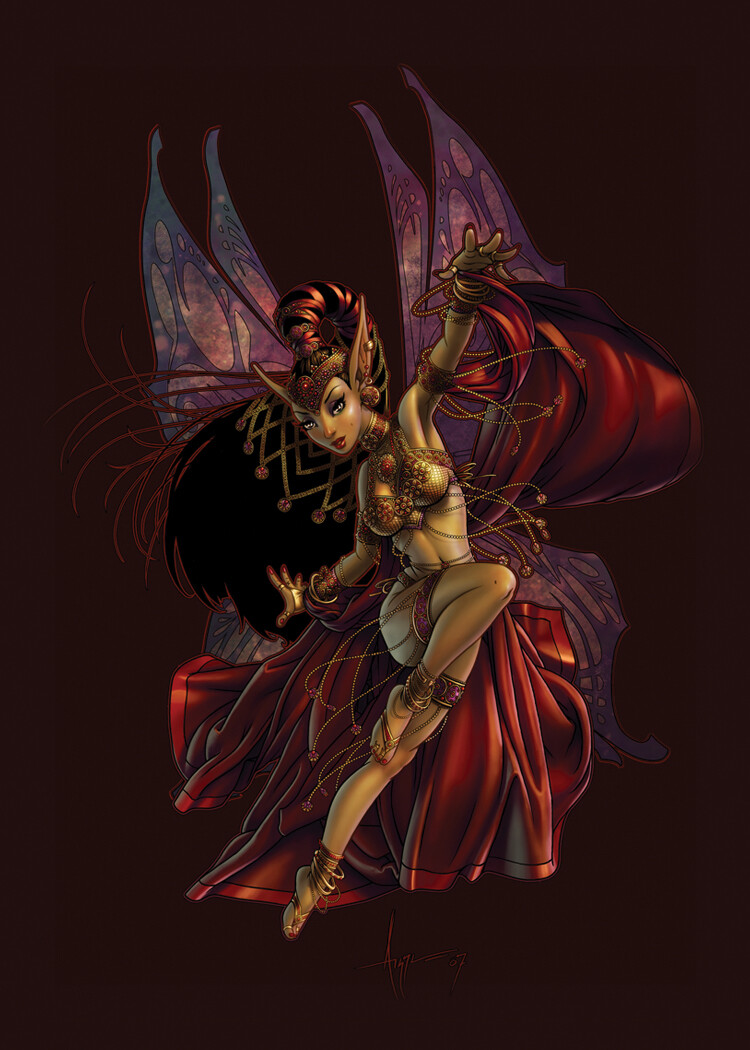
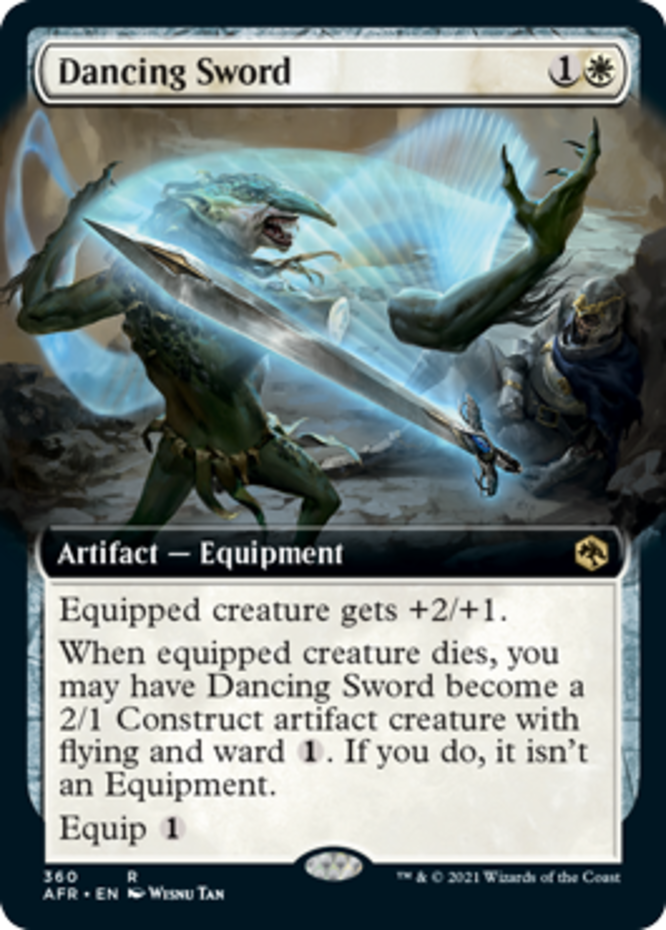
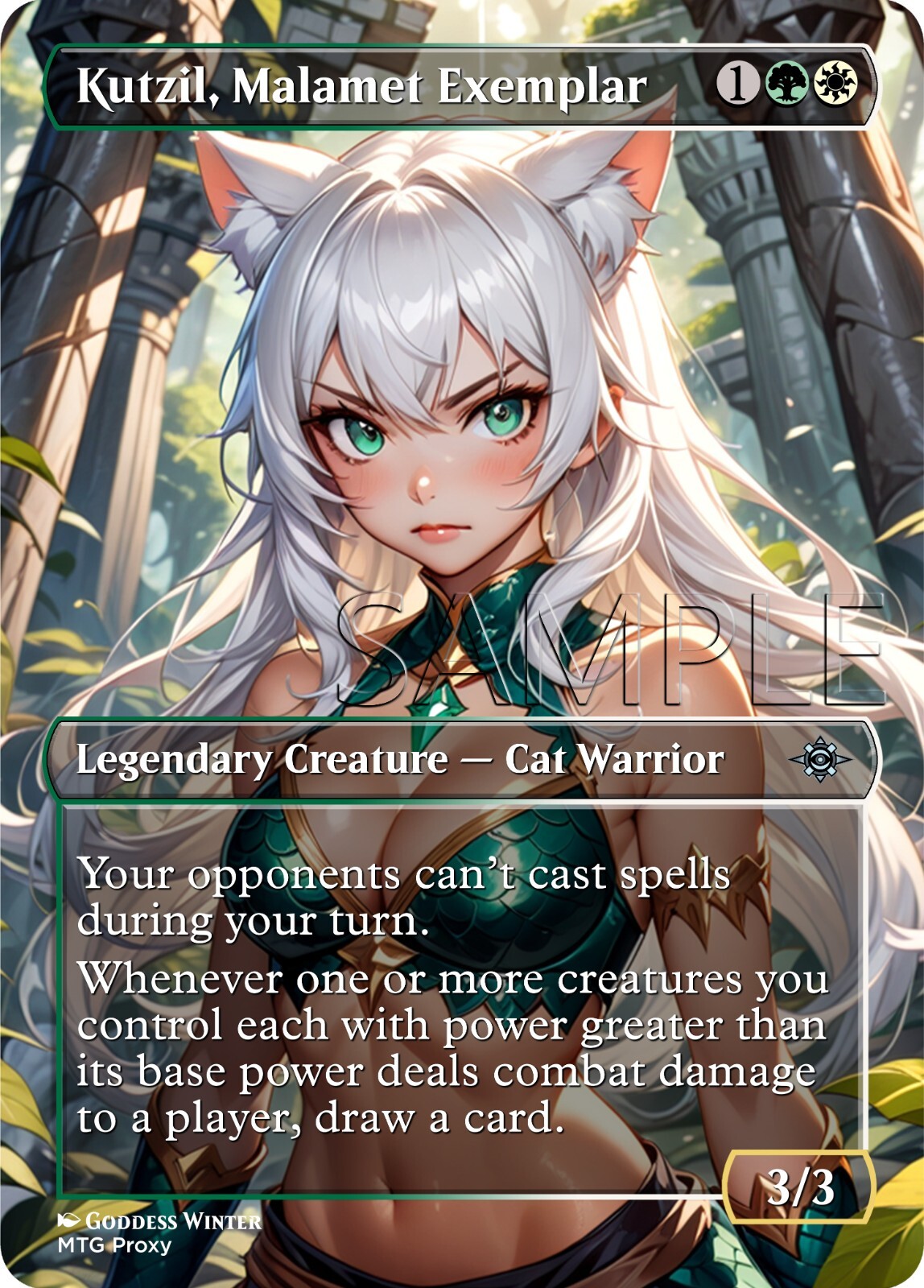
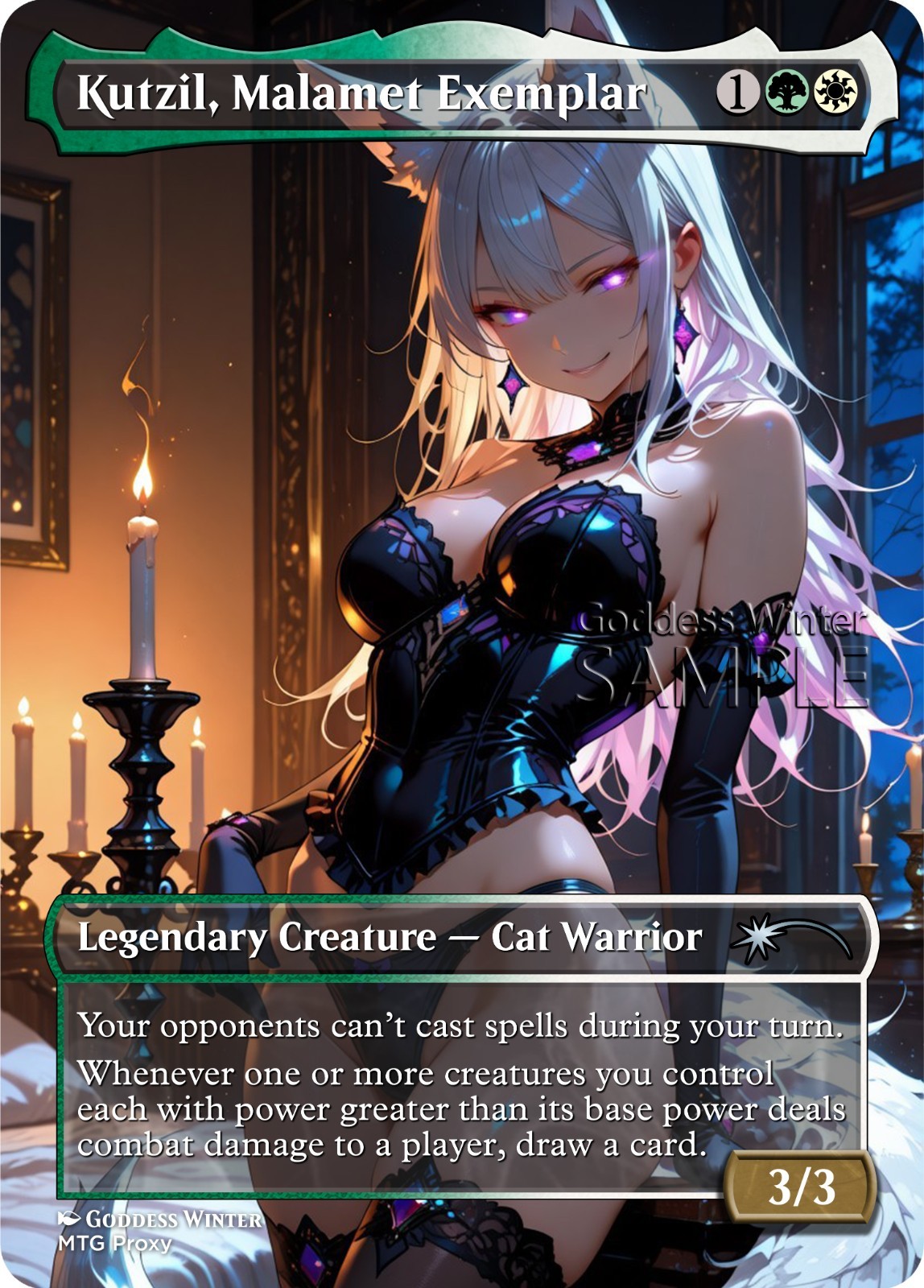
Regal cats, relic weapons, divine inevitability. The opponent decides it’s “cute” right before it becomes “mathematically inconvenient”.
Mercy Freeze as Mana Drain (asset model)
If you end the Mercy turn with fraction r of lands unused (untapped), the freeze mainly “locks” the tapped portion next turn.
This is the math version of “Grace has a cost.”
Next: Special Lands (Phase 2)
Phase 1 stays honest: basics only. Phase 2 introduces your special lands and re-optimizes the mana tensor without breaking the silhouette.
Open Tensor Lab for copy/paste formulas and the 3rd-order tensor. Open Lore Map for the narrative mapping.